Property Management
A realistic look at the numbers, without the estate-agent fluff
Let us skip the preamble. You own, or are thinking about buying, a property in the Cotswolds, and you want to know one thing: how much money could this actually make?
You have seen the Instagram posts. Stone walls, roaring fires, a Land Rover in the driveway. You have heard stories about properties near Soho Farmhouse booking out months in advance. You have also seen the cautionary tales, the owner who listed too cheap, the cottage that sat empty all February, the guest who left a three-star review because the Wi-Fi could not handle a Zoom call.
The truth sits somewhere between the dream and the disaster. And the gap between good and great performance is wider than most people realise.
This article breaks down what drives Cotswolds holiday let income, how to think about the numbers honestly, and what separates a property that merely covers its costs from one that becomes a genuinely profitable asset. If you are buying with value-add in mind, see our guide to finding value in Cotswolds holiday let investments.
Every holiday let income conversation boils down to two variables:
Gross revenue = ADR × booked nights. Simple maths. Complicated reality.
Here is the trap most new owners fall into: they fixate on one and ignore the other. A property charging £800 per night but sitting empty half the year earns less than one charging £450 with 75% occupancy. Professional managers obsess over both simultaneously, pushing rates when demand is strong, and filling gaps when it softens.
Quick example
Property A: £600/night × 120 booked nights = £72,000 gross
Property B: £400/night × 200 booked nights = £80,000 gross
The cheaper property wins. Rate is not everything.
The Cotswolds is not a single market. A two-bed cottage in a quiet village behaves very differently from a six-bedroom estate with a pool near Great Tew. But some broad patterns hold:
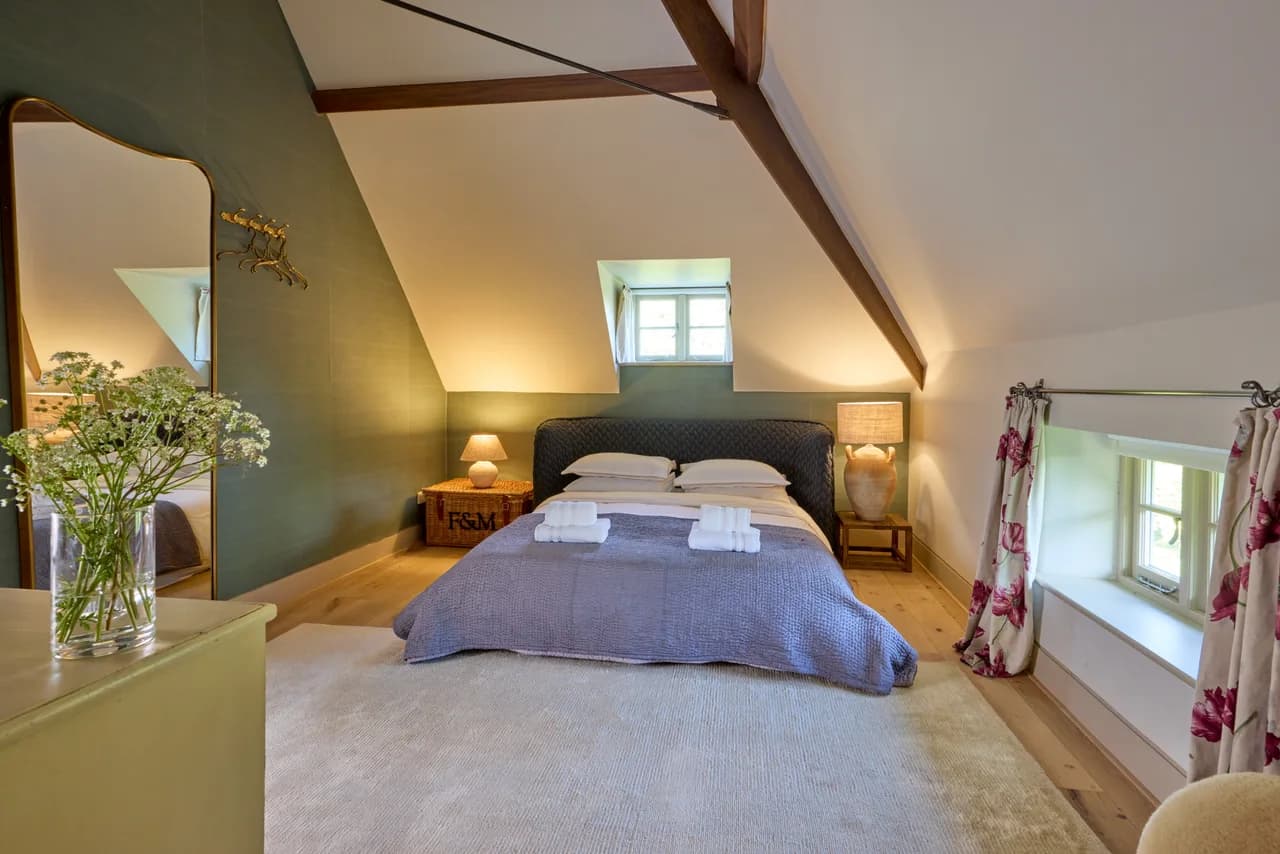
Guests choosing the Cotswolds over Cornwall, the Lake District, or a long weekend in Barcelona are paying for a specific experience: honey stone, rolling hills, excellent food, and the feeling of being somewhere timeless. They are not price-shopping. They are experience-shopping. Properties that lean into this, with quality interiors, thoughtful amenities, and professional photography, can charge rates that surprise first-time owners.
The highest-earning Cotswolds properties are often those that sleep eight, ten, or more. Family reunions, wedding parties, corporate retreats, and milestone birthdays book large homes for long weekends and fill every bedroom. A single four-night booking at a premium rate can equal a month of single-couple reservations at a smaller property.
This is not snobbery, it is demand. Guests who want access to Soho Farmhouse, Daylesford Farm, or the restaurants and experiences of the north Cotswolds will pay a premium for the right base. Properties within walking distance or a short drive tap into a guest pool that is already predisposed to spend.
At Brandy's Farmhouse, guests regularly mention the walk through the forest to Soho Farmhouse as a highlight. That location detail is not a footnote, it is a revenue driver.
No honest income guide pretends every month is equal. Here is how a typical luxury Cotswolds property tends to perform across the year:
Summer is obvious, families, long weekends, outdoor living. Christmas in the Cotswolds has become its own phenomenon: mulled wine, roaring fires, country walks, and the kind of Instagram content that books next year's trip. Rates and occupancy are at their highest. If you only rented twelve weeks a year, these would be most of them.
School holidays and long weekends fill quickly for well-reviewed properties. Autumn is underrated, the Cotswolds in October is spectacular, and guests who want fireside weekends without summer crowds are a loyal segment.
London professionals booking Tuesday–Thursday for a work-from-the- countryside week. Companies hosting team offsites. Couples celebrating anniversaries on quiet Wednesdays. These bookings do not make headlines, but they fill the gaps between weekends and keep occupancy healthy.
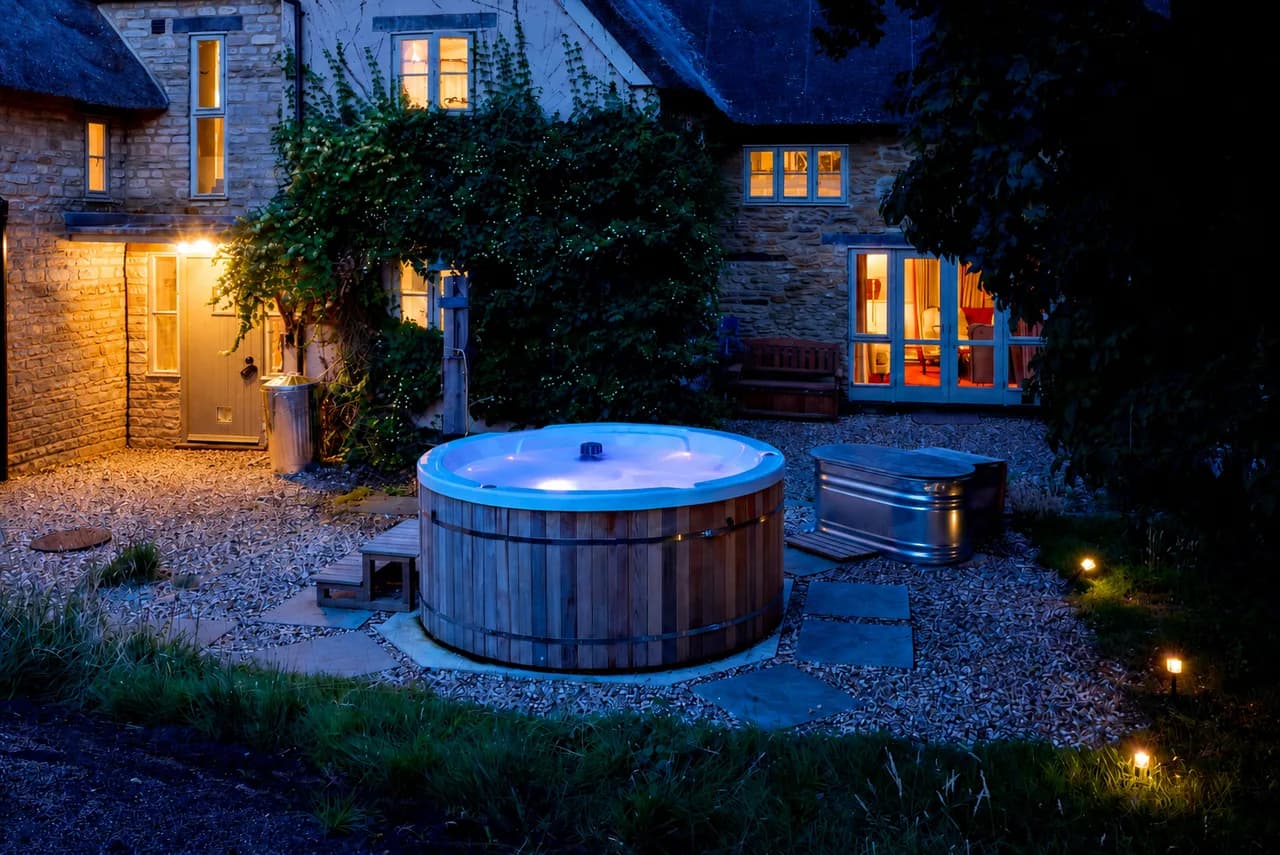
The quietest stretch. Smart pricing, targeted promotions, and properties with standout amenities (hot tubs, pools, spa facilities) still perform. Generic cottages without a hook struggle. This is where professional management earns its fee.
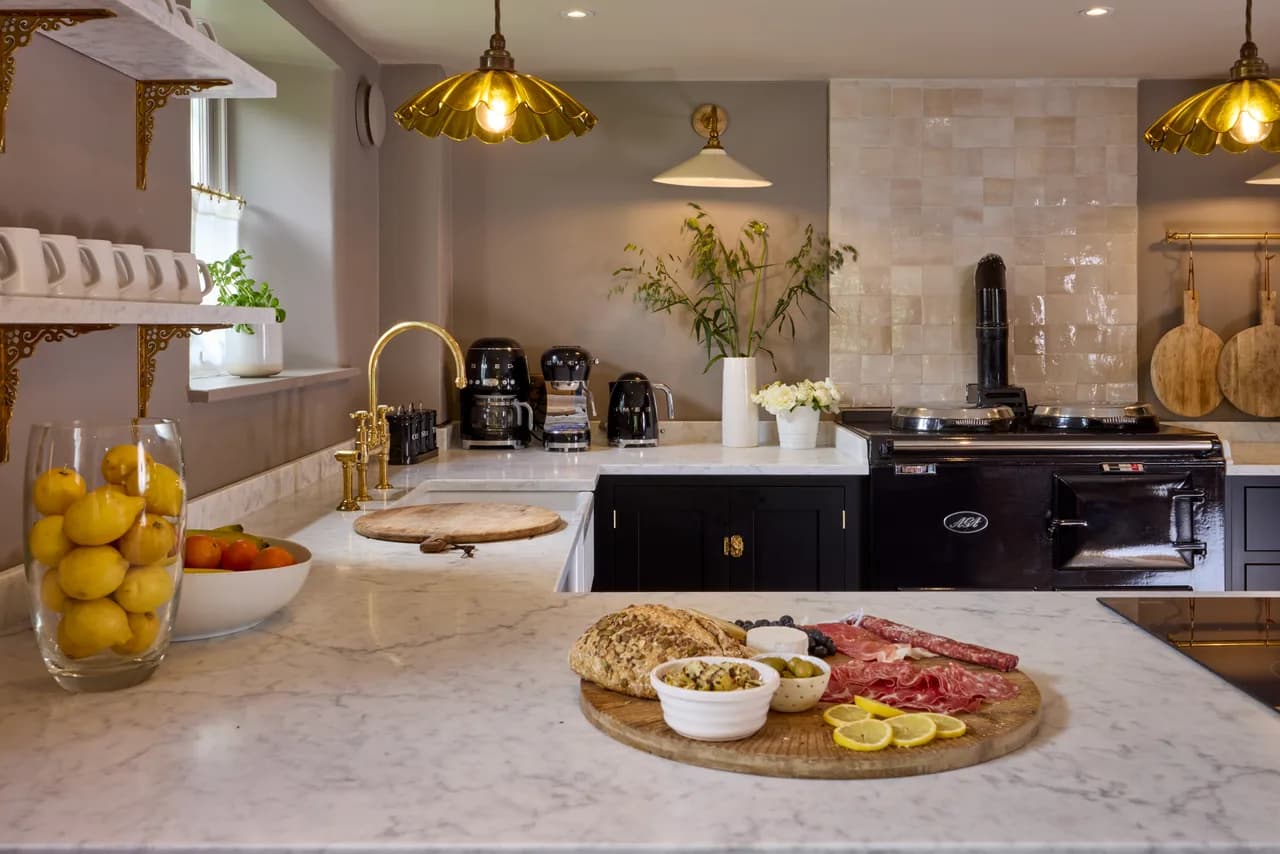
After managing luxury properties and studying what top-performing Cotswolds listings have in common, these are the factors that consistently separate high earners from average ones:
Guests decide in seconds. Dark, phone-quality photos scream amateur. Bright, styled, professional images signal that the experience will match. The ROI on a proper photo shoot is measured in weeks, not years.
Airbnb's algorithm rewards high ratings. So do guests. A property with 4.9+ stars and dozens of reviews can charge more than an identical property with 4.5 stars and a handful of bookings. Every detail, cleanliness, communication, accuracy, check-in, contributes. One weak category drags everything down.
Not all amenities pay for themselves. Here is our honest assessment for the Cotswolds market:
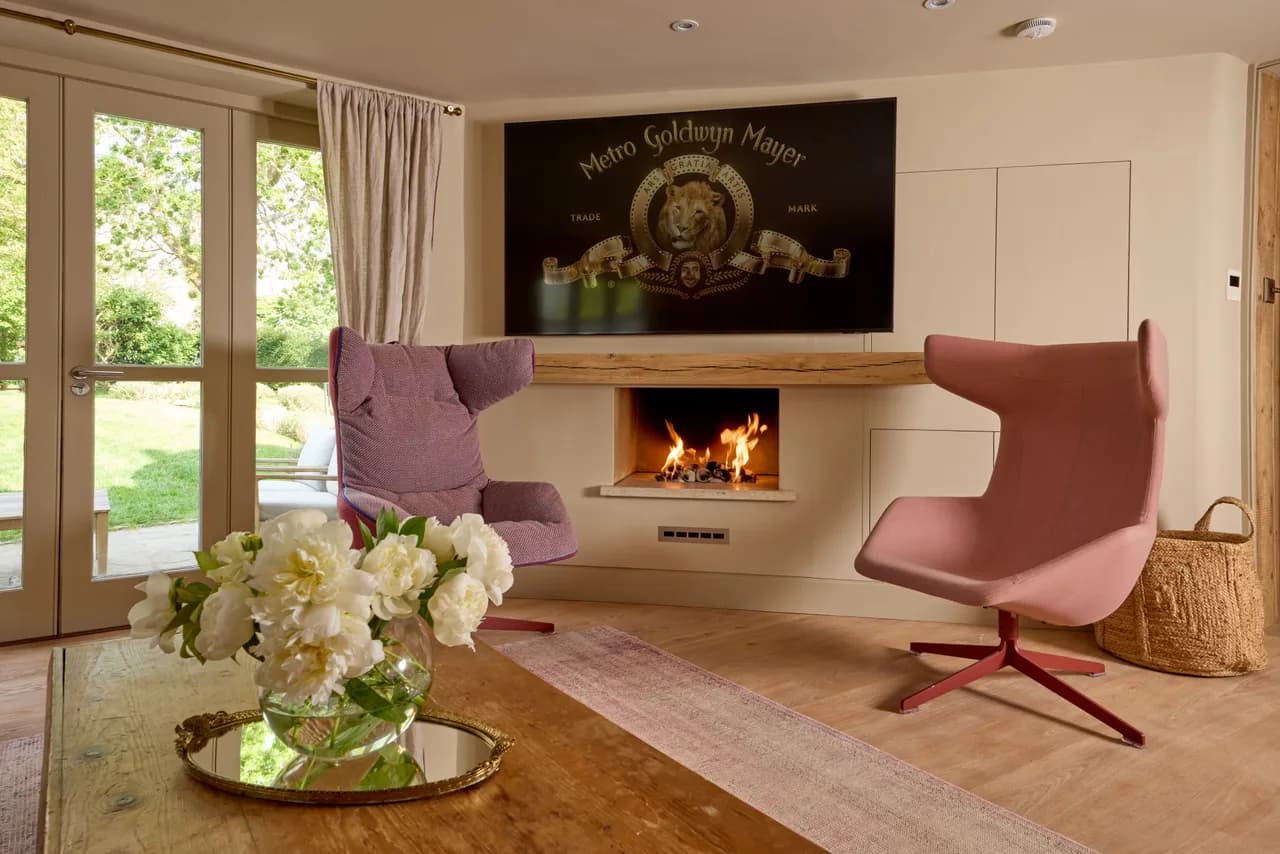
The biggest income leak we see is static pricing. An owner sets £500/night in January and forgets about it until December. In reality, that property should be £350 on a rainy Tuesday in February, £750 on a sunny August Saturday, and £1,200 over Christmas. Daily pricing adjustments based on demand, lead time, local events, and competitor rates. Dynamic pricing can materially improve performance compared with leaving one flat rate in place, although the result depends on the property, starting price and booking strategy.
Airbnb alone is not a strategy. Vrbo, Booking.com, direct bookings, returning guests, and travel-agent relationships each reach different audiences. Properties listed across multiple channels with consistent pricing and availability fill more nights.
We will not pretend to quote your property's exact income without seeing it. Bedrooms, condition, amenities, location, and management quality all matter. But here are illustrative scenarios to frame your thinking:
A two-bedroom cottage, a four-bedroom farmhouse and a large luxury estate have very different rate ceilings, booking patterns and operating costs. A credible forecast should therefore be built from recent, genuinely comparable homes rather than a regional average.
Gross revenue is not take-home pay. Before you start planning renovations with your hypothetical earnings, account for:
Even after costs, well-managed luxury properties in the Cotswolds often outperform traditional long-term letting, particularly when you factor in personal use of the property between guest bookings.
Here is something most income calculators miss: the same property can earn dramatically different amounts depending on who manages it.
We have seen owners self-manage with good intentions and achieve 50% of what a professional team delivers on the same house. The difference is not magic, it is pricing discipline, review consistency, multi-channel marketing, and the willingness to respond to a guest message at 10pm on a Saturday.
Across AceHost's wider hosting portfolio, our public Airbnb profile shows a 4.92 rating from more than 1,000 guest reviews at the time of writing. That reputation does not just look good on a profile, it directly translates into higher rates, higher occupancy, and guests who return.
For new homeowners joining AceHost Cotswolds, we offer reduced management fees for the first year , so you can see the difference professional management makes before committing long-term. And if it is not the right fit, you can cancel anytime.
Generic ranges are useful for framing. They are not a business plan. To understand what your property could earn, you need someone to assess:
At AceHost, we provide initial revenue assessments for Cotswolds properties at no obligation. Send us an address or listing link and we will give you an honest picture, including what we would recommend to improve performance if you are not yet at the top of the market.
The Cotswolds holiday let market in 2026 is genuinely exciting for owners with the right property and the right approach. Premium guests, strong demand, and a location that sells itself, if you do the work to match the promise.
Income is not determined by the postcode alone. It is determined by presentation, pricing, reviews, amenities, and the team behind the listing. Get those right and the numbers take care of themselves.
Curious what your property could earn? Request a rental revenue estimate, read our guide to Cotswolds holiday let management, our guide to choosing a Cotswolds holiday let manager, or get in touch. We love talking numbers.
Last reviewed: September 2026. Update this note whenever financial examples or platform statements change.
Tell us about your Cotswolds holiday home and we can review its positioning, guest appeal and practical management opportunities.