Owner Guidance
(And why your helpful neighbour is not a management plan)
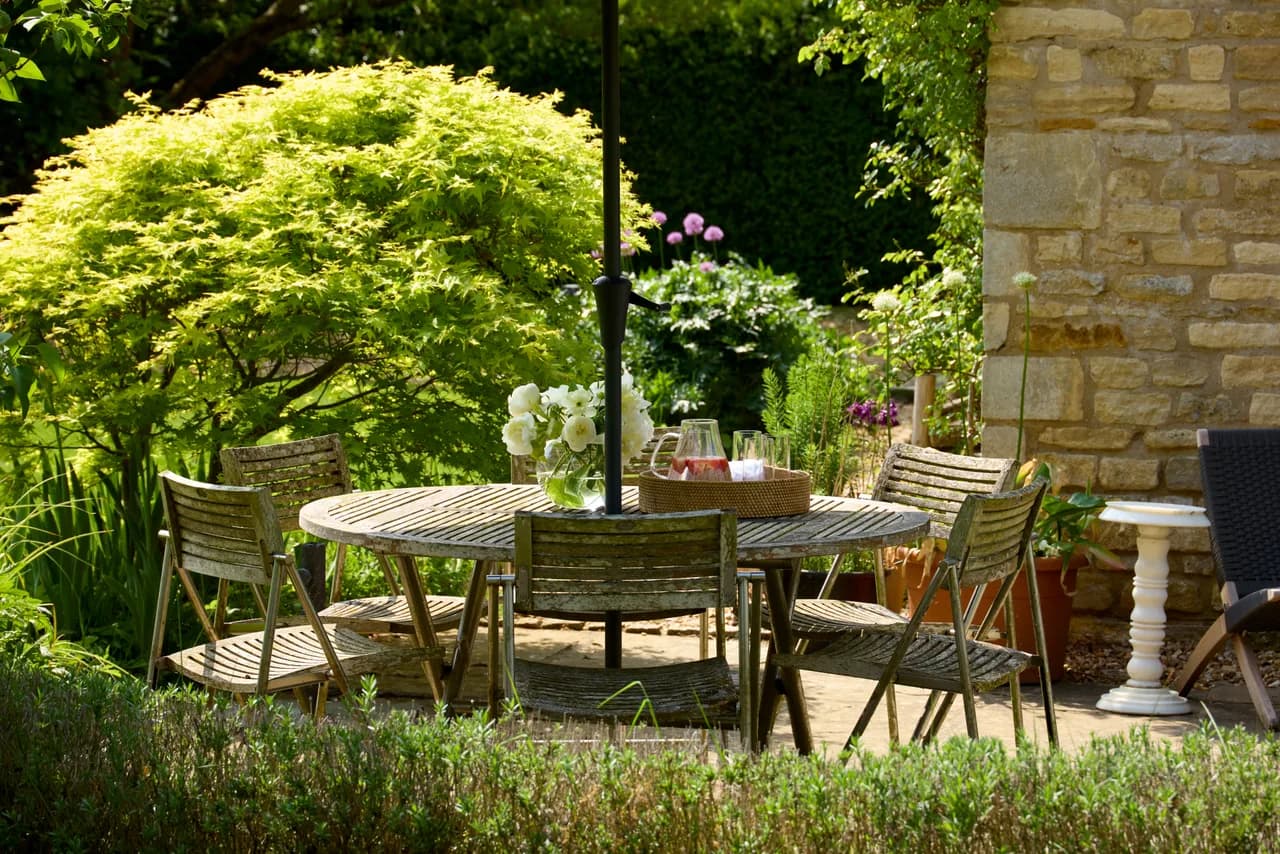
Picture this: you have just bought, or inherited, or finally finished renovating, a beautiful stone property in the Cotswolds. Honey-coloured walls, a proper Aga, maybe a view across rolling fields. Someone mentions Airbnb. Your eyes light up. Passive income, you think. Guests will love it.
They will. The Cotswolds is one of the most sought-after countryside destinations in England, and the Cotswolds continues to attract guests looking for high-quality countryside stays. London is two hours away. Soho Farmhouse and Daylesford are on the doorstep. Weddings, milestone birthdays, and “let's escape the city for the weekend” trips fill calendars year-round.
But here is the bit nobody puts on the listing photos: running a luxury holiday let is a full-time job dressed up as passive income.
This guide is for owners who want the honest version, what management actually involves, what goes wrong when you cut corners, and how to decide whether you should do it yourself or hand it to a team that lives and breathes this work. Buyers weighing purchase and improvement decisions may also find our Cotswolds holiday let investment guide useful.
In estate-agent speak, property management sounds like someone pops round once a month to check the gutters. For a holiday let, it is closer to running a small boutique hotel, except the hotel moves locations every Friday, the guests have never stayed anywhere like this before, and someone will absolutely message you at 11:47pm asking how the induction hob works.
A professional management service typically covers:
That is the checklist. The reality is messier, noisier, and far more human than any spreadsheet suggests.
Not all holiday let markets behave the same. The Cotswolds has a few characteristics that make it genuinely exciting for owners, and a few that make amateur management painful.
Guests coming to the Cotswolds are not hunting for the cheapest room. They want character, comfort, and an experience that feels worth telling friends about. Properties with thoughtful design, quality linens, well-equipped kitchens, and outdoor amenities command rates that would make a city-centre flat blush.
Yes, summer and the Christmas period are peak. But the Cotswolds draws visitors for autumn colour, spring gardens, corporate retreats, wedding weekends, and midweek escapes from London. A well-managed property with strong reviews can perform respectably in months that would be quiet elsewhere.
Properties near Soho Farmhouse, Daylesford, and well-connected villages like Great Tew and Chipping Norton benefit from guests who already know the area and are willing to pay for the right base. Location is not everything, presentation and reviews matter just as much, but being in the right postcode opens doors that a generic countryside cottage cannot access.
This is the double-edged sword. Cotswolds visitors have often stayed in exceptional properties before. They notice when the towels are thin, the Wi-Fi drops during a work call, or the hot tub temperature is wrong. Five-star reviews require five-star consistency, not occasionally, but every single stay.
If you are considering self-managing, here is a week in the life, compressed into one paragraph so you do not need a second cup of tea:
Monday: a guest asks if they can check in early because their train was cancelled. Tuesday: the cleaner reports a wine stain on the sofa from the previous booking. Wednesday: you adjust pricing because a local event just sold out and demand spiked. Thursday: a five-star review mentions the coffee machine, yours is a different model and the guest could not find the pods. Friday: new guests arrive; the key safe battery is dead. Saturday: a message about the pool temperature. Sunday: you are photographing a minor scuff for the damage deposit claim while trying to enjoy your own weekend.
None of this is catastrophic. All of it is normal. The question is whether you want to be the person fielding it forever, or whether your time is better spent elsewhere.
We hear this constantly: “My neighbour can let guests in and my cleaner lives down the road.” Sometimes that works for a season. Then the neighbour goes on holiday, the cleaner retires, a guest leaves a scathing review about slow responses, and suddenly you are on a flight home to deal with a blocked drain.
Informal help is not a system. Systems scale. Systems survive bank holidays, flu season, and the guest who locks themselves out at midnight.
| Factor | Self-manage | Professional management |
|---|---|---|
| Your time | Significant hands-on time, including evenings and weekends | Limited day-to-day involvement, subject to the agreed service scope and owner approvals |
| Pricing expertise | Learning curve; easy to under- or over-price | Daily adjustments based on market data |
| Guest messaging | You, at all hours | Dedicated team with response-time standards |
| Reviews | Inconsistent if you travel or have a busy job | Consistent quality drives repeat bookings |
| Net income | You keep 100% minus costs, but revenue may be lower | Management fee offset by higher rates and occupancy |
The owners who do best self-managing usually live nearby, enjoy hospitality, and treat it as a part-time job they genuinely like. Everyone else tends to either burn out or leave money on the table. There is no shame in either path, but pick consciously.
Plenty of people can list a property on Airbnb. Fewer can turn it into a consistently five-star experience that guests recommend and rebook. Here is what the best operators do differently:
Arrival sets the tone. Departure determines the review. Clear directions, a warm welcome, spotless presentation on check-in, and a frictionless checkout process are non-negotiable. At Brandy's Farmhouse, our flagship Cotswolds estate, guests regularly describe the arrival experience as feeling “like royalty”, that is not accidental. It is designed.
Great managers walk the property regularly. They test appliances before guests arrive. They replace worn items before they become complaints. A dripping tap fixed on Tuesday prevents a one-star mention on Sunday.
Templates help. Personality wins. Guests can tell when they are talking to someone who knows the property, the area, and the difference between a fuse box and a consumer unit. Fast, friendly, knowledgeable responses are the single biggest driver of five-star communication scores.
Underpricing feels safe. It is usually expensive. Premium properties in premium locations should command premium rates, but only when the presentation, reviews, and amenities justify them. Dynamic pricing is not about gouging; it is about matching your rate to what the market will pay on any given night.
We are not solicitors, and you should always take proper advice for your specific property. Every Cotswolds owner should confirm planning status, insurance, fire safety, tax treatment and local operating rules before accepting bookings. Requirements vary by property, location and letting model.
For a practical starting point, read our 2026 Cotswolds holiday let compliance checklist. It covers planning, insurance, fire risk assessments, business rates, tax changes and responsible operations without treating every duty as identical for every home.
A good management company will help you keep operational records organised and flag issues early. A great one will also make sure guest-facing processes reflect the rules that apply to your property.
If you have decided professional management is the right path, interview at least two companies. Ask:
Red flags include vague fee structures, no local presence, promises of guaranteed income, and managers who cannot explain their pricing strategy in plain English.
AceHost built its reputation on luxury hospitality, managing exceptional properties for guests who expect more and owners who demand results. In the Cotswolds, we bring that same standard to every home we represent.
Our approach is straightforward:
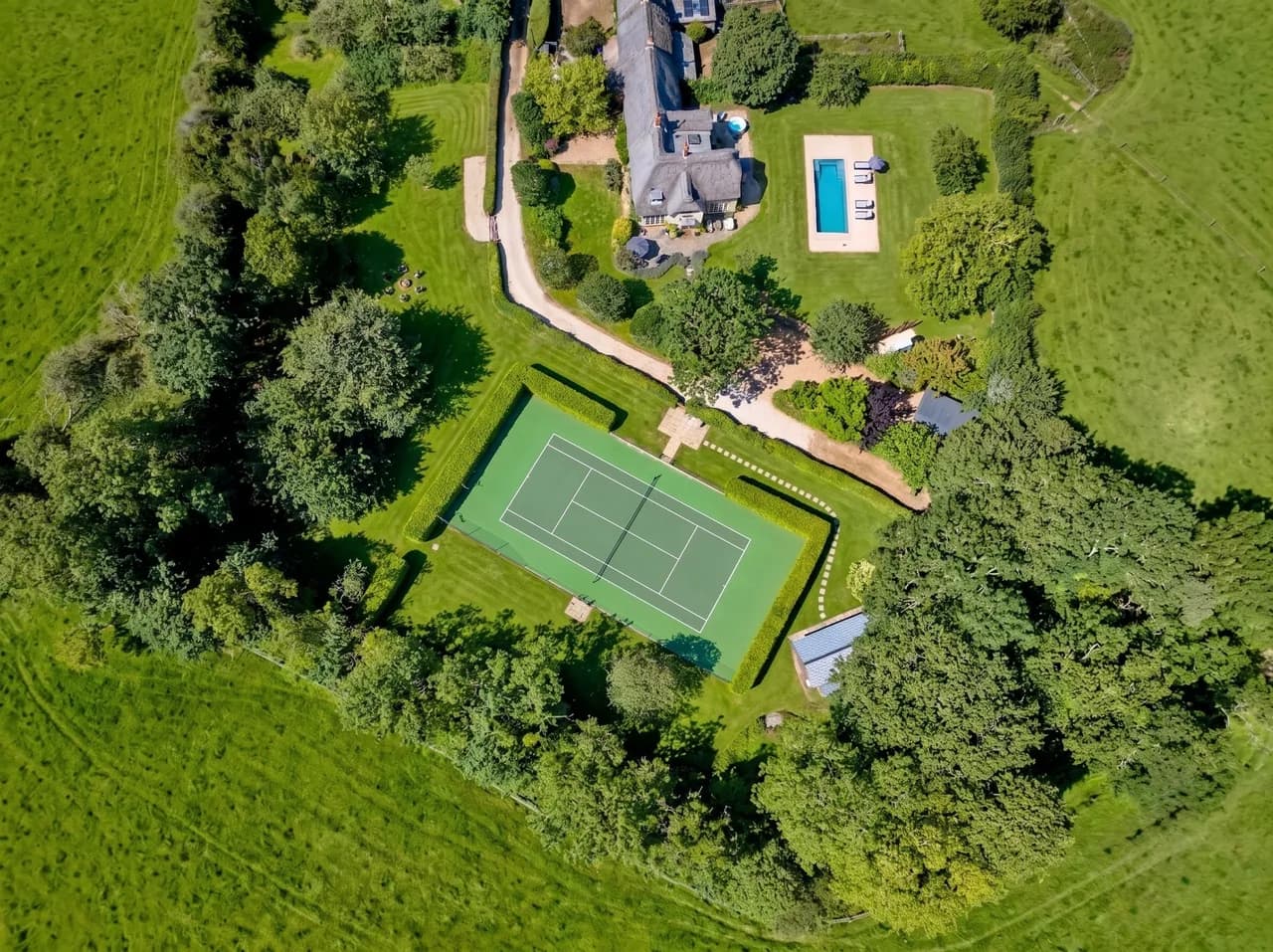
We currently manage Brandy's Farmhouse, a luxury estate near Soho Farmhouse with a pool, tennis court, spa facilities, and enough five-star reviews to make a Superhost blush. The standards we hold there are the standards we bring to every property in our portfolio.
New clients receive reduced management fees for the first year, with the flexibility to cancel anytime. We are confident in what we do, and we want you to feel the same.
A Cotswolds holiday let can be a genuinely rewarding investment, financially and emotionally. You are sharing something beautiful with people who will remember it for years. But it is not passive, and it is not something you can bolt onto an already busy life without consequences.
Whether you self-manage or partner with a team, success comes down to the same things: consistency, communication, and treating every guest like your only guest. Get those right and the Cotswolds market will reward you generously.
Ready to talk about your property? Get a rental revenue estimate, read our guide to choosing a Cotswolds holiday let manager, or contact our team. We are always happy to chat, even if you are just at the dreaming stage.
Tell us about your Cotswolds holiday home and we can review its positioning, guest appeal and practical management opportunities.