Property Management
A practical owner checklist for comparing Cotswolds holiday let managers, understanding fees and choosing a team that can protect both revenue and the home.
Choosing a holiday let manager is not simply a matter of comparing percentages. You are deciding who will price, present and protect a valuable home, while also representing you to every guest who walks through the door.
That decision matters even more in the Cotswolds. Guests often arrive for an important weekend, a family celebration, a wedding, a country escape or time near favourite places such as Soho Farmhouse and Daylesford. They notice the quality of the photographs, the accuracy of the directions, the temperature of the hot tub and how quickly somebody helps when the heating does not behave as expected.
A good manager makes all of this feel easy. A weak one may still fill dates, but can leave money on the table, create avoidable owner work and slowly wear down the property and its reviews. If you are still weighing whether to hire a manager at all, our guide to Cotswolds holiday let management explains what the role actually involves day to day.
Here is how to compare Cotswolds holiday let management companies properly.
Before speaking with managers, decide what success means to you. Different owners want different combinations of income, personal use, property care and involvement.
Ask yourself:
A useful manager will ask these questions before presenting a plan. The right strategy for a two-bedroom cottage in Stow-on-the-Wold will not be identical to the plan for a large estate near Great Tew. If revenue is your main focus, it helps to understand what your Cotswolds property could earn on Airbnb before you compare management proposals.
One company's percentage may include guest communication, pricing and owner statements, while another may charge separately for inspections, maintenance coordination, photography, linen, restocking or call-outs.
Ask each company for a simple written breakdown covering:
The cheapest headline percentage is not automatically the lowest total cost. Equally, the highest fee does not guarantee the best service. Compare what the owner receives and what remains their responsibility.
Dynamic pricing should mean more than connecting the listing to software.
A capable Cotswolds manager should be able to explain how they respond to school holidays, bank holidays, local events, lead time, length of stay, booking pace and short gaps between reservations. They should also understand when a premium home should protect its rate instead of chasing occupancy.
Useful questions include:
Be cautious if the answer is simply that an algorithm handles everything. Software is useful, but it still needs experienced oversight and accurate positioning.
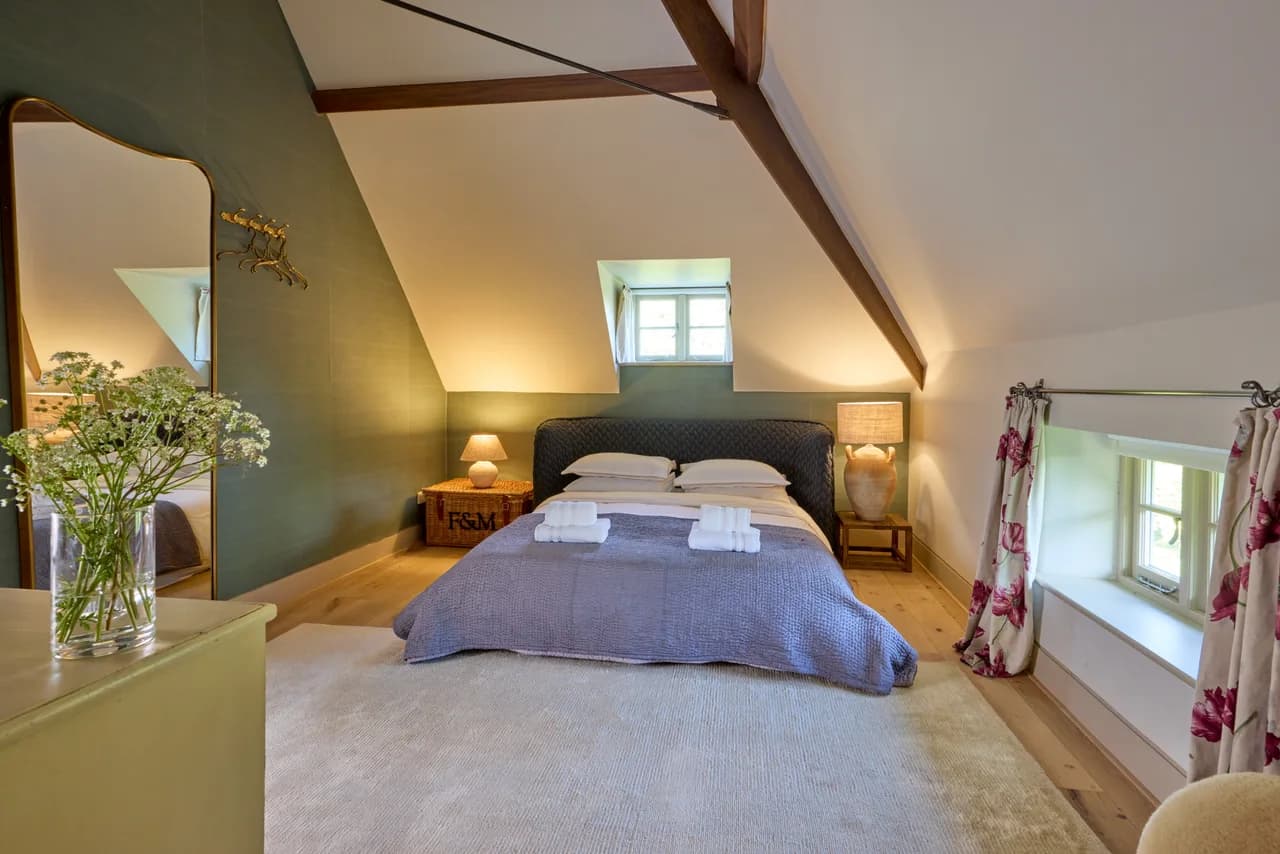
Guests usually see the listing before they experience the house. Photography, image order, title, description, amenities and pricing all shape whether they click, book or keep scrolling.
Ask to see live listings managed by the company. Review them as if you were a guest:
For a luxury Cotswolds holiday let, the listing should sell a complete stay, not just a room count. A walk across open countryside, an excellent kitchen, a private pool, a village pub or proximity to a sought-after destination may be central to the booking decision.
Many problems cannot be solved from a dashboard. A failed boiler, a locked gate, a power cut, a pool issue or a housekeeping miss needs somebody who knows the property and can act.
Ask who conducts pre-arrival checks, who inspects after cleaning and who responds outside normal office hours. Find out whether the manager has established cleaners, trades and specialist contractors for features such as pools, spas, gates, alarms and country-house heating systems.
The answer should be specific. “We have a local team” is less reassuring than a clear explanation of who does what and how an issue is escalated.
Strong guest communication is fast, warm and informed. It should also be consistent. Guests should not receive one answer from the booking team and another from the person attending the home.
Ask the manager:
The best systems combine well-written automation with human judgement. Templates create consistency, but a guest should still feel that somebody is paying attention.
Revenue matters, but so does the long-term condition of the property.
Ask whether the company documents the home's condition, reports damage promptly, tracks recurring maintenance and carries out quality-control checks. Discuss approval limits in advance so urgent work can proceed without unnecessary delay while larger costs remain under the owner's control.
For substantial Cotswolds homes, preventative care is particularly important. Pools, hot tubs, saunas, tennis courts, drainage systems, private water or sewage arrangements and older building fabric can all require specialist attention.
An owner statement should help you understand the business, not merely show a payout.
At minimum, reporting should make it easy to see booking revenue, fees, operating deductions and upcoming reservations. Better reporting also explains changes in average nightly rate, occupancy, booking lead time and guest feedback.
Ask how often reports are provided and whether you will have access to a live owner calendar. Confirm how maintenance invoices and supporting receipts are stored.
Be careful with any manager who:
A sensible forecast contains assumptions and a range. A credible manager should be comfortable explaining both the opportunity and the risks.
AceHost approaches holiday let management as hospitality, revenue management and property care working together. Our Cotswolds operation is grounded in hands-on experience with Brandy's Farmhouse, a substantial luxury estate near Soho Farmhouse, supported by the systems and guest knowledge developed across AceHost's wider hosting portfolio.
We help with listing presentation, pricing, guest communication, stay preparation, housekeeping oversight, maintenance coordination and owner reporting. Most importantly, we start by learning how the owner wants the home to be used and protected.
If you own a holiday home in the North Cotswolds or surrounding area, send us the address or an existing listing. We can provide an initial, no-obligation review of its positioning, likely guest appeal and practical opportunities for improvement.
Before signing, make sure you can answer these five questions:
If the answers are specific, transparent and suited to your priorities, you are probably speaking with the right kind of partner.
Considering professional management for your Cotswolds property? Request a rental revenue and management review or contact AceHost Cotswolds.
Tell us about your Cotswolds holiday home and we can review its positioning, guest appeal and practical management opportunities.